Latest Posts
- Why Compounded Tirzepatide Is So Much Cheaper

- Follow the Confession: The One Peptide Outfit That Admits What It Doesn’t Know

- GHK-Cu on Reddit: Community Sourcing Consensus

- What Actually Drives the Price Gap on Compounded Semaglutide

- Benefits of Tankless Water Heaters

- Best Practices for Crypto Security

- Best Indicators for Crypto Trading

- Technology for Climate Change Solutions

- Technology Fatigue: Are We Overconnected?

Mexicomark: Understanding Its Meaning, Uses, and Importance in Modern Brandin
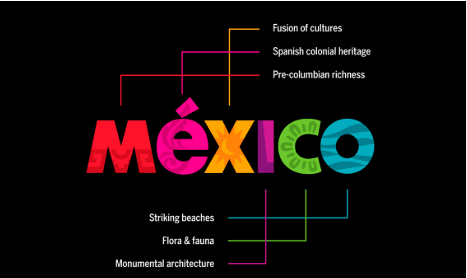
In today’s interconnected world, branding and identity play a crucial role in how businesses, organizations, and even nations represent themselves. One term that occasionally appears in discussions related to branding, trademarks, and national identity is mexicomark.
Although the term is not widely recognized as a formal industry standard, it is often used in contexts related to Mexican branding, trademark identity, product origin labeling, and national marketing strategies. Businesses and institutions connected to Mexico frequently rely on marks, certifications, and branding systems that help identify products, services, and cultural authenticity.
This article explores what mexicomark may refer to, how Mexican branding and trademark systems work, and why identity marks are important for businesses and consumers. We’ll also look at how Mexico protects product authenticity, promotes exports, and builds a recognizable national brand in global markets.
What Is Mexicomark?
The term mexicomark can be interpreted as a concept associated with marks, labels, or branding connected to Mexico. It may refer to:
- Branding that highlights Mexican origin
- Trademark registration related to Mexican businesses
- Product labels indicating goods made in Mexico
- Certification marks promoting authenticity and quality
- National branding initiatives supporting Mexican exports
In many cases, such terms appear in discussions around country-of-origin branding, where a nation promotes its products and cultural identity in international markets.
Countries around the world implement similar strategies to help consumers easily recognize products from specific regions. For example:
- “Made in Italy” for fashion and luxury goods
- “Swiss Made” for watches
- “Made in Japan” for technology
Similarly, marks associated with Mexico help showcase Mexican craftsmanship, agriculture, and manufacturing excellence.
The Role of Branding in Mexican Products
Mexico is one of the world’s largest exporters of agricultural goods, manufactured products, and cultural items. Branding plays a vital role in helping these products stand out globally.
Why National Branding Matters
A strong country brand helps businesses:
- Build trust with international customers
- Highlight product authenticity
- Increase export value
- Promote cultural identity
For example, Mexico is globally known for products such as:
- Tequila
- Mezcal
- Avocados
- Silver jewelry
- Traditional textiles
- Automotive parts
A recognizable mark or branding strategy can help these products compete in global markets.
Trademark Protection in Mexico
When discussing concepts similar to mexicomark, it’s important to understand Mexico’s trademark system.
Mexican Trademark Authority
Trademarks in Mexico are regulated by the Mexican Institute of Industrial Property (IMPI).
IMPI is responsible for:
- Registering trademarks and service marks
- Protecting intellectual property rights
- Preventing counterfeit products
- Supporting business innovation
Businesses operating in Mexico can register trademarks that protect:
- Brand names
- Logos
- Slogans
- Product designs
- Packaging styles
This system ensures that companies maintain control over their brand identity.
Certification Marks and Geographic Indications
Mexico also protects certain products through certification marks and geographic indications, which function similarly to what people might refer to as a “mexicomark.”
What Are Certification Marks?
Certification marks indicate that a product meets specific standards related to:
- Origin
- Quality
- Production methods
- Authenticity
These marks are used to assure consumers that a product is genuine.
Famous Mexican Geographic Indications
Some Mexican products have internationally recognized protected status.
Examples include:
Tequila
Tequila can only be produced in specific regions of Mexico using blue agave.
Mezcal
This traditional spirit is protected by a denomination of origin.
Talavera Pottery
Authentic Talavera ceramics must be produced in specific areas following traditional techniques.
These protections ensure that only authentic products can use the official labels.
The “Made in Mexico” Brand
Another concept closely related to mexicomark is the “Made in Mexico” branding initiative.
The Mexican government launched this initiative to promote national products and encourage domestic manufacturing.
Goals of the Program
The program aims to:
- Increase global recognition of Mexican products
- Encourage domestic production
- Support local businesses
- Strengthen Mexico’s economic identity
Products displaying the Hecho en México (Made in Mexico) label show that they were manufactured within the country.
This label is widely used across industries such as:
- Food production
- Textiles
- Technology manufacturing
- Automotive components
Industries Where Mexican Branding Is Strong
Mexico has developed strong brand recognition in several industries.
Agriculture
Mexico is a major agricultural exporter. Key products include:
- Avocados
- Tomatoes
- Chili peppers
- Coffee
- Mangoes
Clear labeling and origin marks help maintain consumer confidence in product quality.
Automotive Manufacturing
Mexico is one of the world’s largest automotive manufacturing hubs.
Major global companies produce vehicles and components in Mexico, including:
- General Motors
- Ford
- Volkswagen
- Nissan
- Toyota
Products manufactured in Mexico often carry branding that highlights their production origin.
Traditional Crafts
Mexican artisans create world-famous crafts such as:
- Handwoven textiles
- Pottery
- Silver jewelry
- Leather goods
Certification programs help protect artisans from counterfeit products.
How Businesses Can Protect Their Brand in Mexico
For companies operating in Mexico, protecting their brand identity is essential.
Registering a Trademark
Businesses can register trademarks with IMPI by:
- Conducting a trademark search
- Filing an application
- Waiting for examination and approval
- Receiving legal trademark protection
Benefits of Trademark Protection
Trademark registration offers several advantages:
- Exclusive rights to use the brand name
- Legal protection against copycats
- Improved brand credibility
- Easier expansion into international markets
How Consumers Benefit From Authentic Marks
Marks associated with origin or certification also help consumers.
Quality Assurance
Labels and certification marks provide reassurance that a product meets certain standards.
Protection Against Counterfeits
Trademark systems help reduce counterfeit goods in the market.
Cultural Preservation
Authenticity marks protect traditional crafts and cultural products.
This ensures that original artisans and producers receive proper recognition.
Challenges in Branding and Trademark Protection
Despite strong systems, businesses still face challenges related to branding.
Counterfeit Products
Global trade increases the risk of counterfeit goods appearing in markets.
Digital Marketplace Issues
Online marketplaces make it easier for unauthorized sellers to misuse trademarks.
International Trademark Disputes
Companies expanding globally must register trademarks in multiple countries to avoid conflicts.
Mexico continues improving its intellectual property enforcement to address these issues.
The Future of Mexican Branding
Mexican branding continues evolving alongside global economic trends.
Growing Export Markets
Mexico is strengthening trade relationships with regions such as:
- North America
- Europe
- Asia
This creates new opportunities for national brands.
Digital Commerce
E-commerce platforms allow Mexican businesses to reach global customers more easily.
Sustainability and Ethical Production
Consumers increasingly prefer brands that emphasize:
- Sustainable materials
- Ethical production practices
- Cultural authenticity
These trends will likely shape future branding initiatives connected to Mexican identity.
Conclusion
While the term mexicomark may not be an official industry phrase, it reflects an important concept: the branding, certification, and trademark systems that represent Mexico’s products and identity.
From geographic indications protecting tequila and mezcal to government initiatives like Hecho en México, Mexico has built strong systems that promote authenticity and quality.
For businesses, these marks help strengthen brand recognition and global competitiveness. For consumers, they provide confidence in product origin and craftsmanship.
As Mexico continues expanding its presence in global markets, branding and intellectual property protection will remain essential tools for showcasing the country’s innovation, culture, and economic strength.